Professional Designs That Show Up on Dark Fabric
White Toner Printing in Fort Kent for vibrant transfers when standard printers can't create opacity on colored materials
Timberline Embroidery offers White Toner Printing in Fort Kent, a service built for creators, small businesses, and anyone working with custom apparel who needs their designs to show up clearly on dark or colored fabrics. This isn't the same process you use with a standard office printer. White toner technology uses a specialized laser printer that applies white toner beneath or alongside full-color ink layers, creating designs that remain vivid and opaque even when transferred onto black shirts, navy hoodies, or forest green canvas bags.
When you print on colored fabrics using traditional methods, the design often looks faded or disappears entirely because there's no white underbase to reflect light. White toner printing solves this by laying down a layer of white toner before or during the color application, depending on the design. The result is a transfer that maintains color accuracy and density across any background shade. For apparel businesses working in Fort Kent, this means you can expand your product line beyond white blanks and offer customers the richer palette they're looking for without outsourcing work to a regional printer.
If you're working with designs that need to pop on dark garments, reach out to discuss how white toner printing fits into your project timeline and material requirements.
How the Process Works and What It Produces
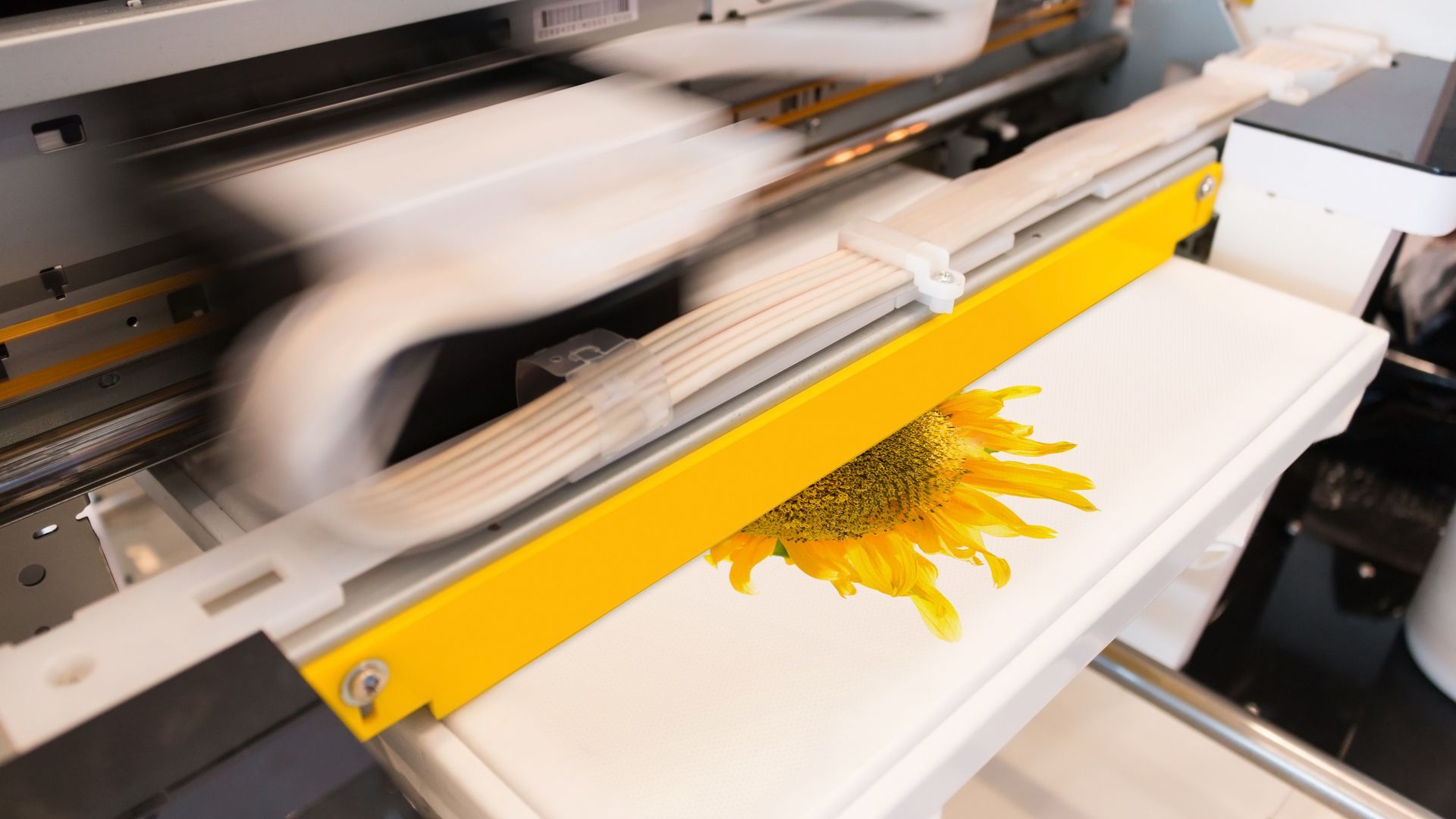
You start by providing your design file, usually in vector or high-resolution raster format. The white toner printer processes the artwork by layering white toner directly onto transfer paper, followed by the full-color image. The printer uses heat and pressure to fuse the toner to the paper, creating a transfer sheet ready for application. You then use a heat press to bond that transfer onto your fabric, where the white layer ensures that every color in your design shows through clearly, even on charcoal, burgundy, or black material.
Once the transfer is pressed and cooled, you'll notice that the colors look as saturated as they did on your screen. The white underbase prevents the fabric color from bleeding through and dulling the print. Timberline Embroidery calibrates each print job to match your file's color profile, so you're not guessing whether your logo will look washed out after application. The finished garment holds up through repeated washing when proper transfer paper and heat settings are used, maintaining both color and opacity over time.
This process works best on cotton, cotton blends, and some polyester fabrics, depending on the transfer paper type. It's not suitable for nylon or heavily textured materials where the transfer won't bond evenly. If you're printing in volume, we can run multiple sheets per session to keep your production moving, but turnaround depends on design complexity and the number of colors involved.
Questions About White Toner Printing
These are the questions that come up most often when small business owners and creators start working with white toner printing for the first time.
What makes white toner different from standard inkjet transfers?
White toner printers use a dry laser process with specialized toner cartridges, creating a more opaque and durable result than water-based inkjet transfers, especially on dark fabrics where inkjet prints often look translucent or muddy.
How long does a white toner transfer last after it's applied?
When pressed at the correct temperature and washed according to garment care instructions, white toner transfers typically maintain their color and integrity through dozens of wash cycles without cracking or fading noticeably.
Why do I need a heat press instead of an iron?
A heat press applies even pressure and consistent temperature across the entire transfer area, which is critical for bonding white toner to fabric without gaps or peeling, something a household iron can't replicate reliably.
What kind of design files work best with this process?
Vector files or high-resolution raster images with clearly defined edges produce the cleanest results, since the white toner printer can handle fine detail and smooth gradients better than lower-resolution artwork.
Can I use this method for orders in Fort Kent that need same-day turnaround?
Turnaround depends on current production volume and design complexity, but white toner printing is faster than screen printing for small runs, making it a practical option when you're working within a tight schedule.
Timberline Embroidery works with businesses and individuals across Fort Kent who need custom apparel solutions that don't compromise on color or durability. If you're ready to see how your designs translate onto darker fabrics, bring your artwork and fabric samples so we can walk through the setup together.